


By Myles Wallace
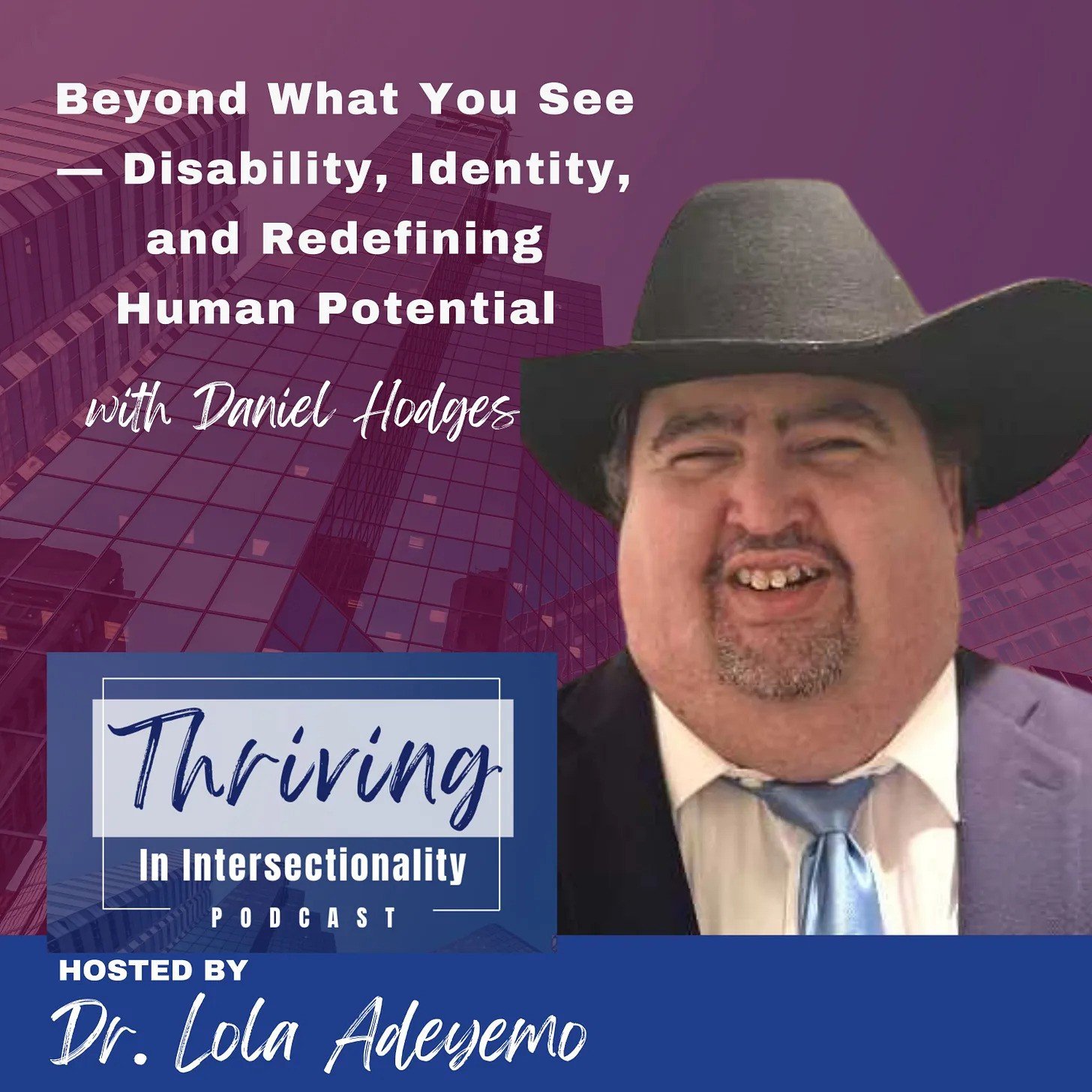
Imagine living in a world where most days you wake up in pain, but it’s unpredictable: maybe a hand, maybe a hip, maybe an intense migraine. In this installment of My Disability Story, I had the privilege of speaking with Daniel Hodges, JD, MHA , nonprofit founder, consultant, and social entrepreneur. He shares his story of living with Ehlers-Danlos Syndrome.
Daniel brings a perspective shaped by access barriers, chronic pain, and an unpredictable disability. His story challenges how we think meritocracy and crafting roles based on a person’s disability needs. Read the full article below and check out the video interview here.
What Is Ehlers-Danlos Syndrome?
Daniel was born with two rare and complex conditions. The first is a form of retinitis pigmentosa, which has left him with no vision in his right eye and limited peripheral vision in his left. The second is Ehlers-Danlos Syndrome (EDS), a progressive connective tissue disorder that affects collagen.
Collagen is often described as “the body’s glue.” It is foundational to nearly every organ and structure. When collagen is insufficient or defective, the entire system becomes unstable.
From a pathological perspective, EDS is a disorder of the collagen. From a lived experience perspective, you live with a lot of injuries.
EDS can manifest in joint instability, frequent dislocations, soft tissue damage, gastrointestinal complications, neurological symptoms, and chronic inflammation. It does not typically shorten lifespan, but it is progressive and unpredictable.
Daniel has broken more than ten bones in his life. He has undergone surgeries across the country. He has experienced tendon and ligament damage that went undiagnosed for years. And because EDS is not always visibly detectable on imaging, for decades he was told nothing was wrong.
I was going to specialist after specialist and being told ‘there’s nothing wrong with you.’ You start to question your own pain tolerance. You wonder if maybe it’s just in your head.
Eventually, in his early 30s, he received the EDS diagnosis. This was a validation, but also confirmation that his pain was never going away.
Living With Chronic Pain
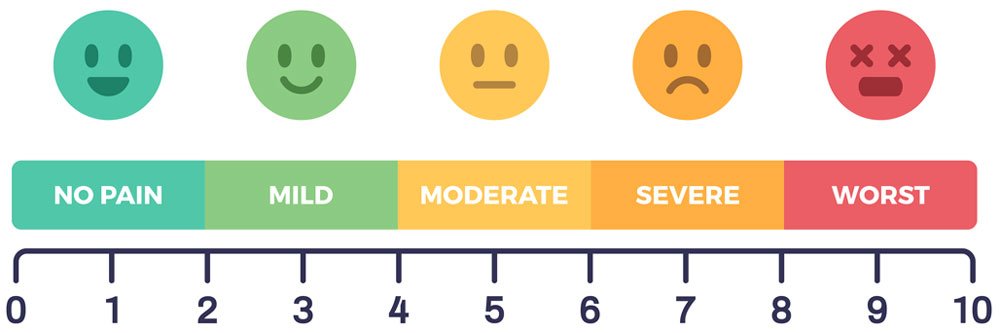
Whenever I’m injured, my wife asks me “Myles, how much pain are you in on a scale of 1 to 10?” and I’m always at a loss for how to answer. What does 10 truly feel like? How valid is my pain if it’s only a 3? Am I being a baby if this pain is all I can think about?
Unlike short-term injuries many of us experience, chronic pain doesn’t just go away and medication only helps so much. For Daniel, pain is his daily companion.
When I wake up in the morning, before I even open my eyes, I know nine times out of ten that something is going to be hurting. Is it a hand? Is it an elbow? Is it a hip?
Living with chronic pain forces difficult decisions:
- How to make the best use of your good days?
- What does progress look like on your bad ones?
While Daniel has built up a higher level of tolerance, his pain is always there, changing day-to-day.

Living With Unpredictable Disabilities
Unpredictable disabilities do not adhere to 8-5 schedules. They do not respect quarterly targets. They don’t care about your PTO balance. They disrupt lives, school, and careers.
For many employers, supporting unpredictable disabilities is a tough pill to swallow. There’s an expectation of work quality, but there’s also an expectation of consistency. While we’re reluctant to admit it, sometimes showing up every day matters more than output.
There are days where I can sit down and write for hours and feel charged by the end of the day. And there are other days where maybe success is reading a book that matters to my work. Maybe it’s one phone call. Maybe it’s strategically punting so I can rock it in a day or two.
In order to support employees with unpredictable disabilities, Daniel recommends employers consider job crafting, flexible hours, and part time roles. Daniel also emphasizes the need for regular check-in conversations between employee and employer.
My work is going to be top-notch. But you may not get it in the intervals you’re expecting.
Many people who experience unpredictable pain similar to Daniel’s give up. They turn to family and government support services. They give up on a career. They let pain monopolize their life.
But, Daniel feels like this is a mistake.
I believe it’s important for everyone to find their ‘why’ and keep a finger on that pulse throughout their life. This is critical for those of us who deal with chronic pain.
For individuals living with chronic and unpredictable conditions, purpose is a survival strategy.

Daniel’s Path to Purpose
Daniel’s disability journey began early. Signs of vision impairment emerged when he was four years old. He dealt with frequent childhood injuries due to his EDS.
Between seventh and eleventh grade, Daniel missed five full years of structured K–12 education and would have to get his GED later. This disruption affected his study skills, confidence, and mental health when he went to college. It also didn’t help that his medications’ side effects left him sleeping 18 hours a day.
He dropped out of college after a semester of failing grades.
Years later, he finally returned to school through a competency-based, self-paced program and completed his bachelor’s degree. Then came a bigger question: should he go to law school?
He worried about his ability to keep up. He worried about the unpredictable medical conditions. He worried about the financial burden. However, taking the advice of a professor, he accepted these fears and got his Master’s and Juris Doctorate anyway.
Even though every one of my fears was valid. I would not go back and change it. It was worth it.
His “why” became disability education and inclusion. He wanted to support and advocate for others working with disability. During law school, he founded the Peaces of Me Foundation, a nonprofit dedicated to erasing stigma around disability and chronic illness.
I could have been a pretty good lawyer. But I’m a much better social entrepreneur. And it works way better with my body.
Rethinking Meritocracy
Meritocracy is the concept of allowing people to advance at work based on merit, not inherent advantages, such as social position. The concept of Meritocracy is deeply American, despite the advantages some possess.
Given the extent of Daniel’s set-backs, barriers, and ongoing pain, it seems like it would make sense to cut him some slack or even give him a leg up, right?
Daniel insists that meritocracy is the only path forward. People with disabilities are not looking for special treatment, they’re looking for a chance to compete on an equal field. However, actual meritocracy cannot exist in systems riddled with bias and barriers.
If you really want the best candidates at the table, you can’t freeze out 26% of the population because they can’t access your stuff. Let me compete in an environment that’s free of bias and barriers and may the best candidate win.
Inclusion is not about eliminating difficulty; inclusion is about removing barriers. Employers who do this will access a unique, ready-to-work talent pool.
If you’re looking for creativity, ingenuity, resilience. That’s our population: living in a world that doesn’t consider your needs and thriving anyway.
Connect with Daniel
The barriers and disruptions Daniel has overcome is inspiring, while his present reality is sobering. After all, pain is both universally human and deeply unknowable. When asked what advice he’d give to others sharing his lived experience, Daniel said:
Even if you can’t do everything you thought you were going to be able to do or want to be able to do, the things you are able to do still matters.
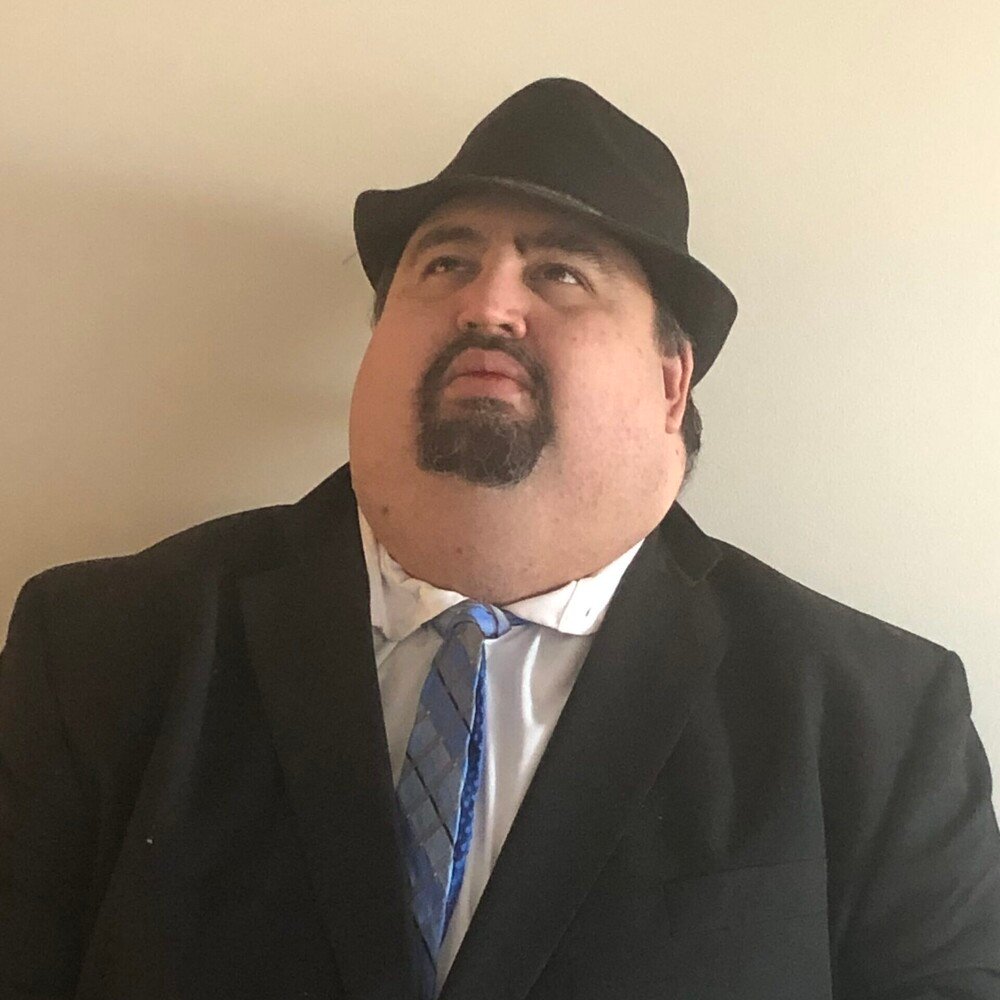
I want to thank Daniel Hodges, JD, MHA for coming onto my 13th installment of My Disability Story. You can learn more about Daniel’s work at Peaces Of Me Foundation (website here). His organization provides training, community education, and resources to help organizations create inclusive environments where people with disabilities can thrive.
Keep Learning
Want to learn more about disability, neurodiversity, and chronic health conditions? Make sure to check out the other interviews in this series:
- Kelli Fisher and Autism
- Karin Boxer and Obsessive Compulsive Disorder
- Greer Procich and Rare Diseases
- John Castillo and Blindness
- Marlon Moore and Spina Bifida
- Jacob Levy and Learning Disability
- Metha Vasquez and Hearing Loss
- Ryan Mayer and ADHD
- Reesa Woolf and Dyscalculia
- Elizabeth Maze and Anxiety Disorder
- Ryan Honick and Cerebral Palsy
- Sira Laurel and HSP
As always, I want to thank my employer, Peak Performers for sponsoring this article.